Pet Accessories
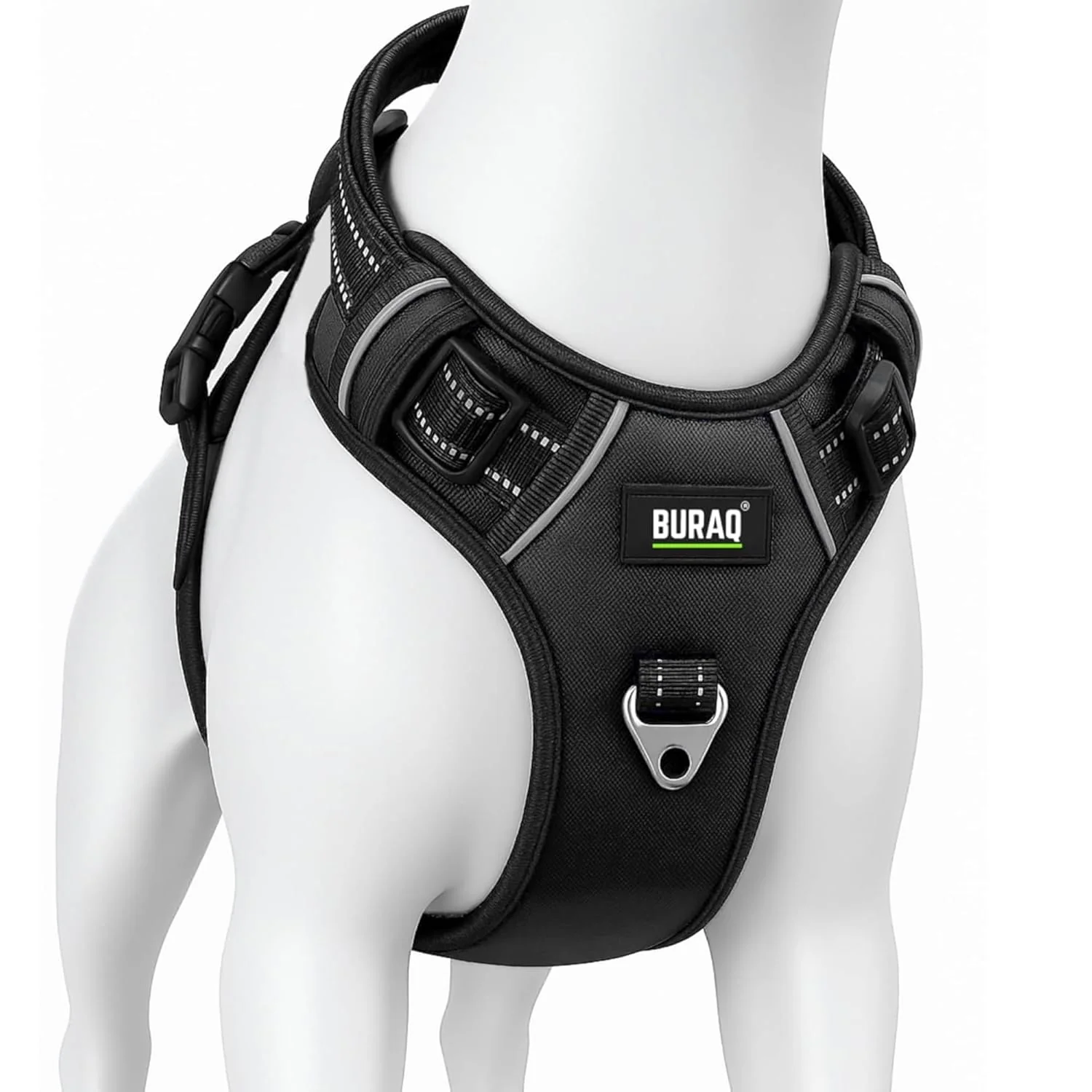
Adjustable Harness for Walking, Training & Control of Big Dogs
₦6,000
In stock
Adjustable Harness for Walking, Training & Control of Big Dogs
Harness for Big Dogs is a practical walking and training accessory designed to provide better control of large and strong dogs while helping distribute leash pressure across the chest and body rather than concentrating it around the neck.
A properly fitted large dog harness can be useful for everyday walks, leash training, outdoor activities, veterinary visits and controlled handling. Because large dogs can have very different body shapes, including broad or deep chests, choosing the correct size and adjusting the harness properly is essential.
Key Benefits
1. Provides better control during walks
2. Helps distribute leash pressure across the chest and body
3. Suitable for large and strong dogs
4. Useful for daily walking and basic training
5. Helps provide additional control outdoors
6. Suitable for veterinary visits and controlled outings
7. Can be more comfortable than relying on a collar alone for some dogs
8. Available in sizes designed for larger dogs
9. Helps reduce the risk of a dog backing out of poorly fitted walking equipment
10. Useful for large-breed and giant-breed dogs when correctly fitted
For dogs that pull strongly, the harness should be combined with appropriate leash-training techniques rather than relying on equipment alone to control the behaviour.
Comfortable for Large & Strong Dogs
A large dog harness should provide enough coverage and support without restricting your dog's natural movement.
The harness should:
- Sit securely around the chest
- Remain centred during walking
- Stay clear of the armpits
- Allow normal shoulder movement
- Avoid unnecessary pressure around the throat
- Remain secure without being excessively tight
Current veterinary literature emphasizes that harness design and fit can influence pressure distribution, gait and movement. Harnesses that cross the shoulder or forelimb can have different effects from designs that provide greater shoulder clearance.
Harness for Large Breeds
Large and giant breeds do not all have the same body shape.
For example, a deep-chested dog may require a different harness shape from a broad, muscular or long-bodied dog. Therefore, breed name, weight or the word "Large" on the packaging should not be the only basis for choosing a harness.
Measure your dog's chest and compare it with the actual size range of the product before ordering.
How to Measure Your Big Dog for a Harness
Before purchasing, measure your dog's body rather than choosing a size based only on breed or weight.
1. Use a flexible measuring tape.
2. Measure around the widest part of your dog's chest, usually just behind the front legs.
3. Keep the tape comfortably snug without squeezing the chest.
4. Record the chest/girth measurement.
5. Measure the neck if required by the harness sizing guide.
6. Compare your measurements with the actual product's size chart.
7. After fitting, check the harness while your dog is standing and moving.
Chest girth is generally a more useful sizing measurement than weight because dogs with similar weights can have very different body shapes.
How to Use a Harness for Big Dogs
1. Allow your dog to inspect and sniff the harness before use.
2. Introduce it gradually using treats and positive reinforcement.
3. Put the harness on according to its specific design.
4. Adjust all straps evenly.
5. Check the chest, neck and armpit areas.
6. Confirm that the harness is secure but not excessively tight.
7. Attach the leash to the designated attachment point.
8. Start with a short, controlled walk.
9. Observe your dog's movement and comfort.
10. Recheck the harness regularly for wear and changes in fit.
A gradual, positive introduction can help dogs become comfortable with new walking equipment.
Harness Safety Tips for Big Dogs
1. Always choose the correct size.
2. Measure your dog's chest before ordering.
3. Do not rely on breed or weight alone.
4. Do not make the harness excessively tight.
5. Do not use an excessively loose harness.
6. Check for rubbing around the armpits.
7. Make sure the harness does not interfere with shoulder movement.
8. Check that it does not ride up toward the throat.
9. Inspect buckles, straps, stitching and leash attachment points regularly.
10. Replace the harness if it becomes damaged or unreliable.
11. Recheck the fit after significant weight changes.
12. Observe your dog during movement, not just while standing.
13. Never leave a dog unattended while wearing walking equipment.
If your dog develops coughing, breathing difficulty, pain, abnormal gait or significant discomfort while wearing the harness, stop using it and consult a veterinarian.
Harness for Big Dogs is a practical walking and training accessory designed to provide better control of large and strong dogs while helping distribute leash pressure across the chest and body rather than concentrating it around the neck.
A properly fitted large dog harness can be useful for everyday walks, leash training, outdoor activities, veterinary visits and controlled handling. Because large dogs can have very different body shapes, including broad or deep chests, choosing the correct size and adjusting the harness properly is essential.
Key Benefits
1. Provides better control during walks
2. Helps distribute leash pressure across the chest and body
3. Suitable for large and strong dogs
4. Useful for daily walking and basic training
5. Helps provide additional control outdoors
6. Suitable for veterinary visits and controlled outings
7. Can be more comfortable than relying on a collar alone for some dogs
8. Available in sizes designed for larger dogs
9. Helps reduce the risk of a dog backing out of poorly fitted walking equipment
10. Useful for large-breed and giant-breed dogs when correctly fitted
For dogs that pull strongly, the harness should be combined with appropriate leash-training techniques rather than relying on equipment alone to control the behaviour.
Comfortable for Large & Strong Dogs
A large dog harness should provide enough coverage and support without restricting your dog's natural movement.
The harness should:
- Sit securely around the chest
- Remain centred during walking
- Stay clear of the armpits
- Allow normal shoulder movement
- Avoid unnecessary pressure around the throat
- Remain secure without being excessively tight
Current veterinary literature emphasizes that harness design and fit can influence pressure distribution, gait and movement. Harnesses that cross the shoulder or forelimb can have different effects from designs that provide greater shoulder clearance.
Harness for Large Breeds
Large and giant breeds do not all have the same body shape.
For example, a deep-chested dog may require a different harness shape from a broad, muscular or long-bodied dog. Therefore, breed name, weight or the word "Large" on the packaging should not be the only basis for choosing a harness.
Measure your dog's chest and compare it with the actual size range of the product before ordering.
How to Measure Your Big Dog for a Harness
Before purchasing, measure your dog's body rather than choosing a size based only on breed or weight.
1. Use a flexible measuring tape.
2. Measure around the widest part of your dog's chest, usually just behind the front legs.
3. Keep the tape comfortably snug without squeezing the chest.
4. Record the chest/girth measurement.
5. Measure the neck if required by the harness sizing guide.
6. Compare your measurements with the actual product's size chart.
7. After fitting, check the harness while your dog is standing and moving.
Chest girth is generally a more useful sizing measurement than weight because dogs with similar weights can have very different body shapes.
How to Use a Harness for Big Dogs
1. Allow your dog to inspect and sniff the harness before use.
2. Introduce it gradually using treats and positive reinforcement.
3. Put the harness on according to its specific design.
4. Adjust all straps evenly.
5. Check the chest, neck and armpit areas.
6. Confirm that the harness is secure but not excessively tight.
7. Attach the leash to the designated attachment point.
8. Start with a short, controlled walk.
9. Observe your dog's movement and comfort.
10. Recheck the harness regularly for wear and changes in fit.
A gradual, positive introduction can help dogs become comfortable with new walking equipment.
Harness Safety Tips for Big Dogs
1. Always choose the correct size.
2. Measure your dog's chest before ordering.
3. Do not rely on breed or weight alone.
4. Do not make the harness excessively tight.
5. Do not use an excessively loose harness.
6. Check for rubbing around the armpits.
7. Make sure the harness does not interfere with shoulder movement.
8. Check that it does not ride up toward the throat.
9. Inspect buckles, straps, stitching and leash attachment points regularly.
10. Replace the harness if it becomes damaged or unreliable.
11. Recheck the fit after significant weight changes.
12. Observe your dog during movement, not just while standing.
13. Never leave a dog unattended while wearing walking equipment.
If your dog develops coughing, breathing difficulty, pain, abnormal gait or significant discomfort while wearing the harness, stop using it and consult a veterinarian.
Not sure your pet needs this product?
Consult a vet for customized care before you buy.
Consult a VetAdded to cart
