Pet Accessories
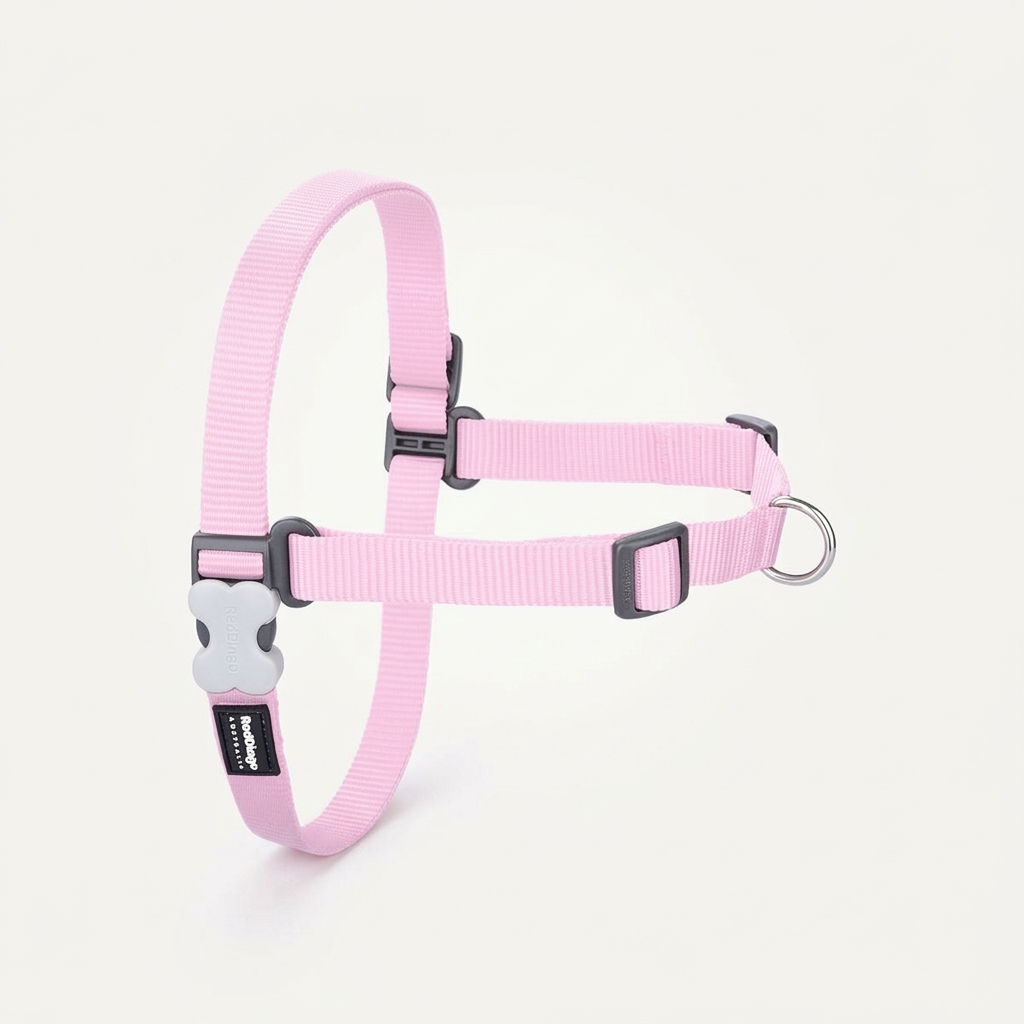
Adjustable Harness for Walking, Training & Control of Puppies
₦2,500
In stock
Adjustable Harness for Walking, Training & Control of Puppies
Puppies Harness is a practical walking and training accessory designed to give pet owners better control while reducing the pressure placed directly around your puppy's neck. A properly fitted harness distributes leash pressure across the chest and body, making it a comfortable option for introducing young puppies to lead walking.
Puppies grow quickly, so an adjustable puppy harness is especially useful because the fit can be fine-tuned as your puppy develops. However, the harness should always fit the puppy correctly today rather than being purchased excessively large simply to allow for future growth.
Why Choose a Harness for Puppies?
Puppies are still developing physically and may pull, jump, suddenly change direction or become startled during walks. Unlike a collar, which concentrates leash pressure around the neck, a properly fitted harness distributes pressure across a larger area of the chest and body.
A harness can therefore be a useful choice when introducing your puppy to leash walking, especially when combined with positive-reinforcement training.
However, the fit and design matter. A harness that is too tight can rub or restrict movement, while one that is too loose may allow a puppy to escape.
Adjustable Puppy Harness for Growing Puppies
- Puppies can outgrow walking equipment surprisingly quickly. An adjustable harness allows you to make small changes to the neck and chest areas as your puppy grows.
- Multiple adjustment points can provide better control over the fit and help the harness remain stable during movement.
Important: Do not buy a substantially oversized harness simply because your puppy is still growing. An excessively loose harness can shift, rub or create an escape risk.
Check the fit regularly, particularly during periods of rapid growth.
Comfortable for Puppy Walks
Young puppies may initially find wearing a harness unfamiliar. A lightweight and appropriately fitted design can make the transition easier.
Soft mesh or padded harnesses are commonly marketed for puppies because they can provide a comfortable contact surface while remaining relatively lightweight. Nigerian pet retailers also list soft mesh puppy harnesses for walking, training and vet visits.
The harness should allow your puppy to walk, run and move its front legs naturally without the straps digging into the skin or restricting the shoulders.
How to Measure Your Puppy for a Harness
Before purchasing, measure your puppy rather than choosing a size based only on breed or age.
- Place a flexible measuring tape around the widest part of your puppy's chest, usually just behind the front legs.
- Keep the tape comfortably snug without pulling it tightly.
- Record the chest measurement.
- Check the manufacturer's recommended size range.
- If the harness has a neck adjustment, measure the neck according to the product's sizing instructions.
- After fitting, check the harness while your puppy is standing and moving.
A properly fitted harness should be snug without being restrictive. A common fitting guideline is that you should be able to place approximately two fingers comfortably beneath the straps.
How to Use a Puppy Harness
- Allow your puppy to sniff and investigate the harness before putting it on.
- Introduce it gradually using praise, treats or other positive reinforcement.
- Put the harness on according to the manufacturer's design.
- Adjust the straps so the harness fits securely without being too tight.
- Check that the straps are not rubbing behind the front legs.
- Attach a suitable leash to the designated attachment point.
- Begin with short, calm walking sessions.
- Observe your puppy's movement and comfort.
- Recheck the fit regularly as your puppy grows.
Positive introduction can help puppies become comfortable wearing walking equipment rather than associating the harness with stress.
Puppy Harness Safety Tips
- Always choose the correct size.
- Do not use an excessively large harness for a puppy to "grow into."
- Do not make the harness excessively tight.
- Check regularly for rubbing, redness or hair loss.
- Make sure your puppy can move its front legs freely.
- Check that the harness cannot easily slip over the puppy's head.
- Inspect buckles, straps, stitching and leash attachment points regularly.
- Replace the harness if it becomes damaged or unreliable.
- Recheck the fit after significant growth or grooming.
- Never leave a puppy unattended while wearing walking equipment.
- Stop using the harness if your puppy shows signs of pain, breathing difficulty or significant discomfort.
If your puppy has an unusual gait, pain, breathing problems or another medical concern, consult a veterinarian about the most appropriate walking equipment.
Puppies Harness is a practical walking and training accessory designed to give pet owners better control while reducing the pressure placed directly around your puppy's neck. A properly fitted harness distributes leash pressure across the chest and body, making it a comfortable option for introducing young puppies to lead walking.
Puppies grow quickly, so an adjustable puppy harness is especially useful because the fit can be fine-tuned as your puppy develops. However, the harness should always fit the puppy correctly today rather than being purchased excessively large simply to allow for future growth.
Why Choose a Harness for Puppies?
Puppies are still developing physically and may pull, jump, suddenly change direction or become startled during walks. Unlike a collar, which concentrates leash pressure around the neck, a properly fitted harness distributes pressure across a larger area of the chest and body.
A harness can therefore be a useful choice when introducing your puppy to leash walking, especially when combined with positive-reinforcement training.
However, the fit and design matter. A harness that is too tight can rub or restrict movement, while one that is too loose may allow a puppy to escape.
Adjustable Puppy Harness for Growing Puppies
- Puppies can outgrow walking equipment surprisingly quickly. An adjustable harness allows you to make small changes to the neck and chest areas as your puppy grows.
- Multiple adjustment points can provide better control over the fit and help the harness remain stable during movement.
Important: Do not buy a substantially oversized harness simply because your puppy is still growing. An excessively loose harness can shift, rub or create an escape risk.
Check the fit regularly, particularly during periods of rapid growth.
Comfortable for Puppy Walks
Young puppies may initially find wearing a harness unfamiliar. A lightweight and appropriately fitted design can make the transition easier.
Soft mesh or padded harnesses are commonly marketed for puppies because they can provide a comfortable contact surface while remaining relatively lightweight. Nigerian pet retailers also list soft mesh puppy harnesses for walking, training and vet visits.
The harness should allow your puppy to walk, run and move its front legs naturally without the straps digging into the skin or restricting the shoulders.
How to Measure Your Puppy for a Harness
Before purchasing, measure your puppy rather than choosing a size based only on breed or age.
- Place a flexible measuring tape around the widest part of your puppy's chest, usually just behind the front legs.
- Keep the tape comfortably snug without pulling it tightly.
- Record the chest measurement.
- Check the manufacturer's recommended size range.
- If the harness has a neck adjustment, measure the neck according to the product's sizing instructions.
- After fitting, check the harness while your puppy is standing and moving.
A properly fitted harness should be snug without being restrictive. A common fitting guideline is that you should be able to place approximately two fingers comfortably beneath the straps.
How to Use a Puppy Harness
- Allow your puppy to sniff and investigate the harness before putting it on.
- Introduce it gradually using praise, treats or other positive reinforcement.
- Put the harness on according to the manufacturer's design.
- Adjust the straps so the harness fits securely without being too tight.
- Check that the straps are not rubbing behind the front legs.
- Attach a suitable leash to the designated attachment point.
- Begin with short, calm walking sessions.
- Observe your puppy's movement and comfort.
- Recheck the fit regularly as your puppy grows.
Positive introduction can help puppies become comfortable wearing walking equipment rather than associating the harness with stress.
Puppy Harness Safety Tips
- Always choose the correct size.
- Do not use an excessively large harness for a puppy to "grow into."
- Do not make the harness excessively tight.
- Check regularly for rubbing, redness or hair loss.
- Make sure your puppy can move its front legs freely.
- Check that the harness cannot easily slip over the puppy's head.
- Inspect buckles, straps, stitching and leash attachment points regularly.
- Replace the harness if it becomes damaged or unreliable.
- Recheck the fit after significant growth or grooming.
- Never leave a puppy unattended while wearing walking equipment.
- Stop using the harness if your puppy shows signs of pain, breathing difficulty or significant discomfort.
If your puppy has an unusual gait, pain, breathing problems or another medical concern, consult a veterinarian about the most appropriate walking equipment.
Not sure your pet needs this product?
Consult a vet for customized care before you buy.
Consult a VetAdded to cart
