Pet Accessories
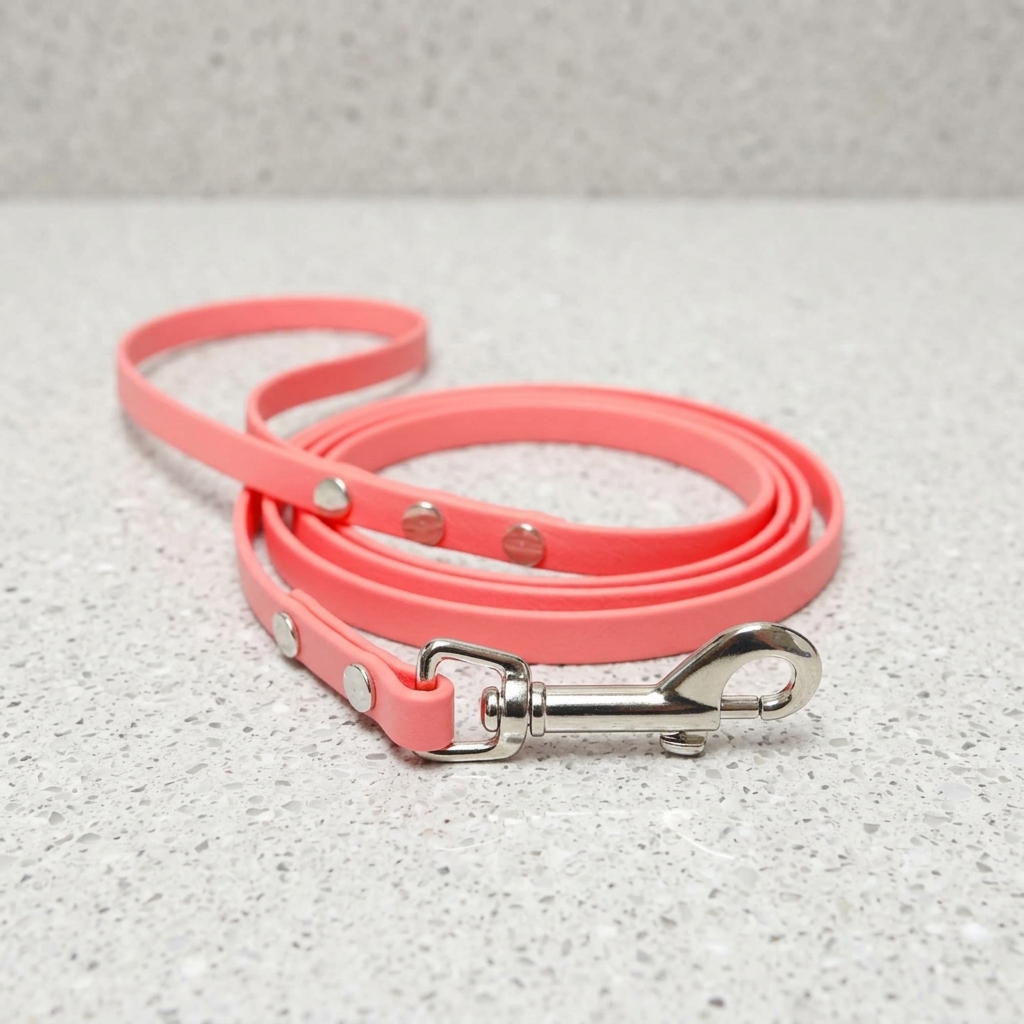
Lightweight & Sturdy Leash for Puppies
₦1,500
In stock
Lightweight & Sturdy Leash for Puppies
Leashes for Puppies are essential walking and training accessories designed to help pet owners safely guide and control young dogs during walks, outdoor activities, veterinary visits and early leash-training sessions.
Puppies do not automatically know how to walk on a leash. They need time and positive training to become comfortable with the sensation of being attached to a leash. Introducing a suitable puppy leash gradually can help your puppy develop good walking habits from an early age.
A puppy leash gives you greater control when taking your puppy outside while helping them learn appropriate walking behaviour.
Puppy Leash for Training
One of the most important uses of a puppy leash is leash training.
Start in a quiet and familiar environment before introducing your puppy to more distracting outdoor locations.
A simple training routine can include:
1. Allow your puppy to inspect and sniff the leash.
2. Attach the leash to a properly fitted collar or harness.
3. Reward your puppy for remaining calm while wearing it.
4. Take a few steps and encourage your puppy to follow.
5. Reward your puppy when they stay near you.
6. Gradually increase walking distance.
7. Introduce distractions slowly.
8. Keep training sessions short and positive.
The goal is to teach your puppy to walk with a loose leash, rather than dragging or pulling against the equipment.
Comfortable Leash for Growing Puppies
Puppies are still developing and may find new equipment strange at first. A leash should therefore be appropriate for the puppy's size and easy for the handler to control.
A lightweight leash can be particularly practical for small puppies because unnecessarily heavy walking equipment may be uncomfortable or awkward to handle.
The exact leash material, width, length and hardware should always be checked against the specifications of the particular product.
A puppy leash can be attached to either a suitable collar or harness, depending on the walking equipment and your puppy's individual needs.
How to Introduce a Puppy to a Leash
Some puppies may initially bite, chew, freeze or resist when a leash is attached.
To make the introduction easier:
1. Let your puppy sniff the leash first.
2. Introduce it indoors or in another quiet environment.
3. Use treats and praise.
4. Allow your puppy to walk a few steps at a time.
5. Keep sessions short.
6. Avoid dragging or forcing the puppy forward.
7. Gradually introduce outdoor distractions.
Positive experiences can help your puppy develop confidence with walking equipment.
Puppy Leash Safety Tips
1. Always inspect the leash before use.
2. Check the clip and attachment point for damage.
3. Use a leash appropriate for your puppy's size.
4. Make sure the collar or harness is properly fitted.
5. Never jerk or snap the leash.
6. Avoid using the leash to drag your puppy.
7. Supervise your puppy while walking.
8. Do not leave a puppy tethered and unattended.
9. Replace the leash if the webbing, stitching or hardware becomes damaged.
10. Monitor puppies that chew on their leash.
11. Keep your puppy away from traffic and other hazards.
12. Use appropriate vaccination and outdoor-exposure guidance from your veterinarian.
Veterinary guidance specifically recommends avoiding sudden leash jerking and introducing walking equipment gradually and gently.
Leashes for Puppies are essential walking and training accessories designed to help pet owners safely guide and control young dogs during walks, outdoor activities, veterinary visits and early leash-training sessions.
Puppies do not automatically know how to walk on a leash. They need time and positive training to become comfortable with the sensation of being attached to a leash. Introducing a suitable puppy leash gradually can help your puppy develop good walking habits from an early age.
A puppy leash gives you greater control when taking your puppy outside while helping them learn appropriate walking behaviour.
Puppy Leash for Training
One of the most important uses of a puppy leash is leash training.
Start in a quiet and familiar environment before introducing your puppy to more distracting outdoor locations.
A simple training routine can include:
1. Allow your puppy to inspect and sniff the leash.
2. Attach the leash to a properly fitted collar or harness.
3. Reward your puppy for remaining calm while wearing it.
4. Take a few steps and encourage your puppy to follow.
5. Reward your puppy when they stay near you.
6. Gradually increase walking distance.
7. Introduce distractions slowly.
8. Keep training sessions short and positive.
The goal is to teach your puppy to walk with a loose leash, rather than dragging or pulling against the equipment.
Comfortable Leash for Growing Puppies
Puppies are still developing and may find new equipment strange at first. A leash should therefore be appropriate for the puppy's size and easy for the handler to control.
A lightweight leash can be particularly practical for small puppies because unnecessarily heavy walking equipment may be uncomfortable or awkward to handle.
The exact leash material, width, length and hardware should always be checked against the specifications of the particular product.
A puppy leash can be attached to either a suitable collar or harness, depending on the walking equipment and your puppy's individual needs.
How to Introduce a Puppy to a Leash
Some puppies may initially bite, chew, freeze or resist when a leash is attached.
To make the introduction easier:
1. Let your puppy sniff the leash first.
2. Introduce it indoors or in another quiet environment.
3. Use treats and praise.
4. Allow your puppy to walk a few steps at a time.
5. Keep sessions short.
6. Avoid dragging or forcing the puppy forward.
7. Gradually introduce outdoor distractions.
Positive experiences can help your puppy develop confidence with walking equipment.
Puppy Leash Safety Tips
1. Always inspect the leash before use.
2. Check the clip and attachment point for damage.
3. Use a leash appropriate for your puppy's size.
4. Make sure the collar or harness is properly fitted.
5. Never jerk or snap the leash.
6. Avoid using the leash to drag your puppy.
7. Supervise your puppy while walking.
8. Do not leave a puppy tethered and unattended.
9. Replace the leash if the webbing, stitching or hardware becomes damaged.
10. Monitor puppies that chew on their leash.
11. Keep your puppy away from traffic and other hazards.
12. Use appropriate vaccination and outdoor-exposure guidance from your veterinarian.
Veterinary guidance specifically recommends avoiding sudden leash jerking and introducing walking equipment gradually and gently.
Not sure your pet needs this product?
Consult a vet for customized care before you buy.
Consult a VetAdded to cart
